
Water Damage Restoration Cost: What to Expect in Buford, GA
By the Buford Water Damage Restoration team · September 15, 2026
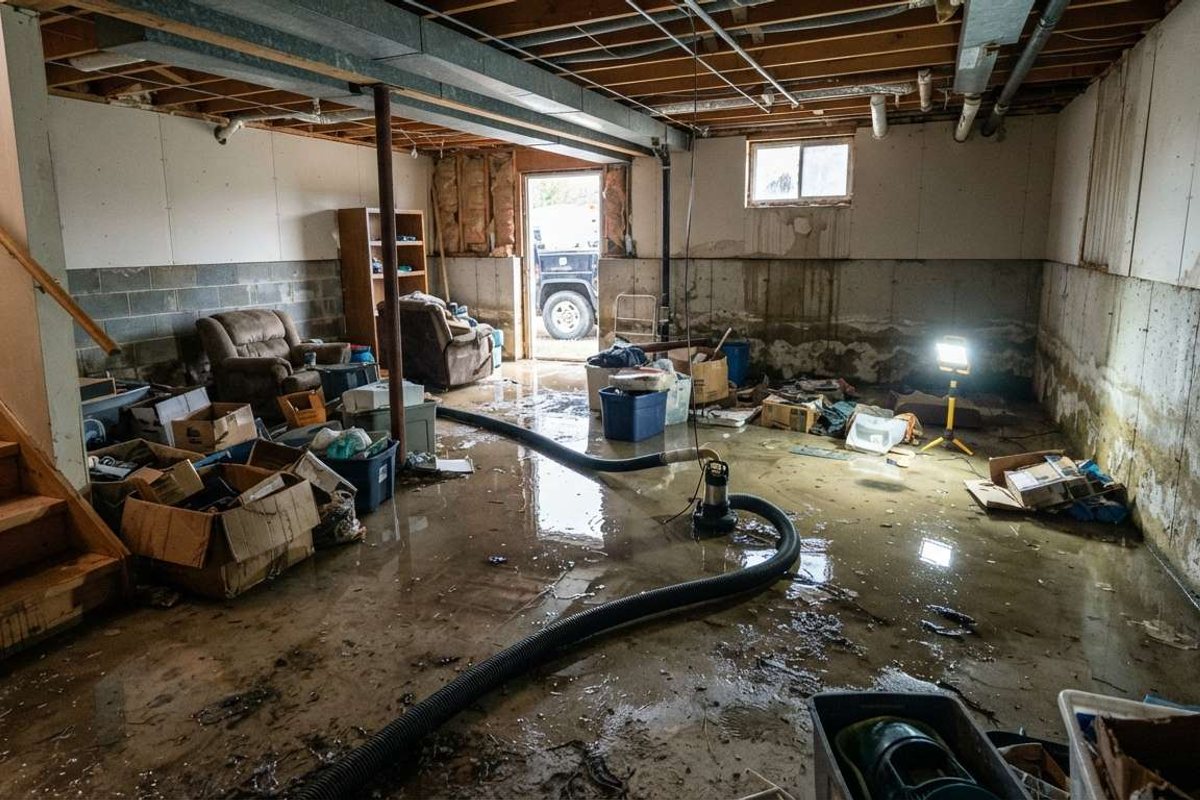
Water damage restoration typically runs $1,300 to $5,650 for a full job nationally, or roughly $3 to $8 per square foot, according to figures commonly cited across the restoration industry — but the real number depends heavily on how much water was involved, how far it spread, and what materials were affected. These are general ranges, not a quote for your situation.
Part of Buford Water Damage Restoration — 24/7 restoration dispatch based in Buford, GA.
Typical Cost Ranges
These are general, industry-wide ranges meant to help you understand rough scope — not a quote. Every job is priced after an on-site damage assessment.
| Job | Typical range |
|---|---|
| Water damage restoration (total, minor) | $1,300–$3,000 |
| Water damage restoration (total, major/flooding) | $3,000–$10,000+ |
| Per-square-foot cleanup & drying | $3–$8/sq ft |
| Water extraction (standing water) | $500–$2,000 |
| Structural drying (per room, 3–5 days) | $500–$1,500 |
| Mold inspection | $300–$700 |
| Mold remediation (contained area) | $1,500–$6,000+ |
| Sewage backup cleanup | $1,500–$7,000+ |
| Smoke odor & soot cleanup (per room) | $500–$3,000 |
What Actually Drives the Price
A few factors matter more than square footage alone:
- Water category. Clean water from a supply line costs less to remediate than contaminated water from a sewage backup, which requires more extensive sanitizing and disposal.
- How long the water sat. Water caught within hours costs far less to remediate than water that sat for days and soaked into subfloor and framing.
- What materials were affected. Carpet and drywall are cheaper to replace than hardwood floors or finished basement walls.
- Whether mold has started. Mold remediation adds cost on top of water extraction if moisture wasn’t addressed quickly — a real risk in Georgia’s humidity.
Does Insurance Cover It?
Often, yes — sudden and accidental water damage (a burst pipe, a failed appliance) is commonly covered by homeowners insurance, while gradual damage from long-term neglect usually isn’t. See our insurance guide for more detail, and always confirm your specific coverage with your provider.
Why an assessment Beats Guessing
Because cost depends so much on the specifics of your situation, the most useful number is the one you get after a technician actually sees the damage. That's why we don't quote sight-unseen — we assess first, at no cost, so you're deciding based on your actual scope rather than a generic range.